
In 2026, more and more people are switching from regular cars to Electric Vehicle Pakistan because of rising fuel costs, worries about the environment, and government incentives. Electric vehicles (EVs) run on electricity instead of gasoline or diesel. This cuts down on carbon emissions and is a cheap way for people to get to work.
Electric sedans, SUVs, and motorcycles are being sold in Pakistan by both local and international car companies. At the same time, new companies are focusing on making affordable Electric Vehicle Pakistan models that are good for both city and rural use. Businesses and fleet operators are also looking into electric vehicles (EVs) to cut costs and help meet sustainability goals.
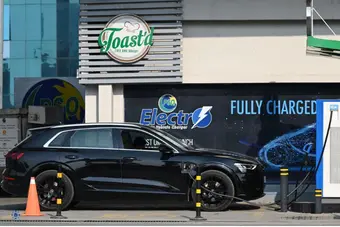
The current EV market in Pakistan
The Electric Vehicle Pakistan is growing steadily in 2026. Electric cars, bikes, and rickshaws are becoming more common in cities like Karachi, Lahore, and Islamabad. Local startups and companies like MG Motors Pakistan and Neo Motors are coming up with new ways to make electric vehicles.
Reports from the industry say that sales of Electric Vehicle Pakistan (EVs) will rise year after year as more people learn about them and charging networks grow. Tech-savvy millennials and buyers who care about the environment are especially interested.
Policies and incentives from the government
The government of Pakistan has started a number of programs to encourage the use of Electric Vehicle Pakistan:
- Lower import taxes and duties for electric vehicles
- Support for making and putting together EVs in the area
- Incentives for putting charging stations in homes and businesses
Policies that make fleet operators want to switch to electric cars
These rules make Electric Vehicle Pakistan cheaper and speed up the switch to cleaner transportation, which is good for both city workers and businesses.
EV Charging Stations All Over Pakistan
Charging infrastructure has been one of the biggest problems for getting people to switch to electric vehicles. But 2026 shows a lot of progress:
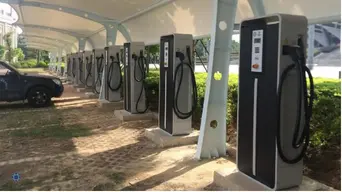
There are now public charging stations in big cities and on highways.
- Private companies and chains of gas stations are working together to build more EV charging stations.
- Fast-charging stations are being put in business centers, which cuts the time it takes to charge most cars to less than an hour.
- As infrastructure grows, worries about “range anxiety” are slowly going away, which is getting more people to switch to electric vehicles.
Benefits for the environment and the economy
Pakistan will benefit in many ways from switching to EVs:
- Less Carbon Emissions: EVs produce less greenhouse gases, which helps make the air cleaner in big cities.
- Lower Running Costs: Electricity costs less than gas, which lowers the cost of getting to work every day.
- Energy Security: Reduces reliance on oil from other countries and helps projects that promote sustainable energy.
- Support for Renewable Energy: EVs can work with solar or wind energy, which is even better for the environment.
These benefits make Electric Vehicle Pakistan adoption attractive to people, businesses, and policymakers who care about the environment.
Problems with getting people to use EVs
Even though more people are interested, there are still problems to solve:
- Compared to regular cars, EVs cost a lot more at first.
- Short battery life and high replacement costs
- There are gaps in the charging network in rural and remote areas.
- People don’t know enough about maintenance and long-term benefits.
Pakistan needs to deal with these problems in order to get a lot of people to use EVs and build a transportation system that lasts.
Trends and chances for the future
Electric Vehicle Pakistan has a bright future ahead:
- Local Manufacturing: New and established automakers are planning to make EVs in their own countries, which will lower costs and create jobs.
- Fleet Electrification: Ride-hailing and logistics companies may switch to electric vehicles to save money and encourage eco-friendly practices.
- Smart Charging Solutions: By connecting electric vehicles (EVs) to smart grids and renewable energy sources, energy use will be maximized.
Government Expansion Programs: Policies are likely to become more supportive, which will encourage more people to buy electric vehicles. As the technology for electric vehicles (EVs) gets better and cheaper, urban transportation in Pakistan could change a lot, making cities cleaner and using less energy.
Conclusion
Electric Vehicle Pakistan is more than just a new way to get around; it’s a game-changing answer to problems with the environment, the economy, and technology. As infrastructure grows, government policies become more helpful, and consumers learn more about EVs, adoption is likely to speed up in 2026.
Pakistan can cut carbon emissions, save money on gas, and encourage sustainable urban growth by investing in Electric Vehicle Pakistan. Businesses, fleet operators, and tech-savvy consumers who use it early will help make the future cleaner, greener, and more connected.
Follow the latest News Updates only on Update Link!